Spotted Sandpiper: An American Visitor in 2024
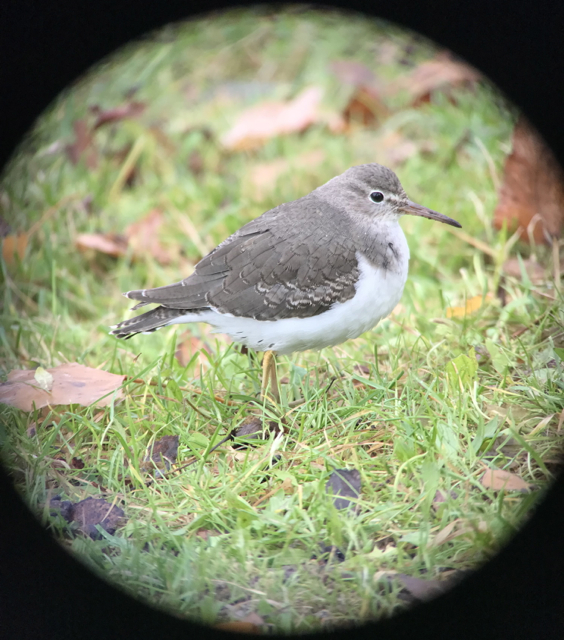
At the end of November 2024, we had an interesting visitor in Brandenburg (Potsdam-Mittelmark). A scolopacid species that is normally widely distributed on the American continent caused a stir in the local ornithological community. It is the Spotted Sandpiper (Actitis macularius). The name refers to the black spots on the underparts of the adult during the breeding season. This bird nests in North America and migrates after the breeding season to South America in July and August, and is sighted in habitats connected to coasts, rivers and lakes. Interestingly, females try to attract males at breeding sites and the male has a preponderant role in parental care in a non-strict polyandrous mating system. The ornithological database ornitho.de shows one sighting for this species in Brandenburg only in May 1991 (Havelland). At the European level, this species is considered a regular vagrant. In Brandenburg, the other species of the same genus, A. hypoleucos, or Common Sandpiper, is often sighted and breeds.
Northern Lapwing: The Bird of the Year 2024
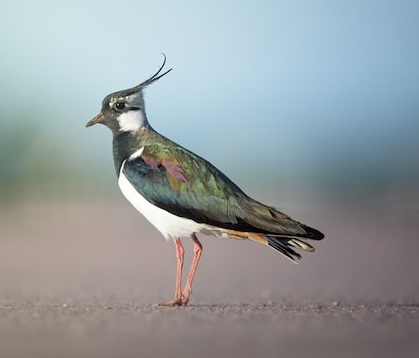
Nature Conservation Organisations such as NABU have been choosing the “Bird of the Year” in Germany since the last 50 years. This is mainly to draw the attention to the threat to different bird species thriving in Germany. According to the Red List, the Northern Lapwing (Vanellus vanellus) is now classified as “critically endangered”. Local populations of Northern Lapwing have, unfortunately, declined drastically in the last decades. The main reason for this is the shrinking habitat for the species. An interview to report on the matter was conducted by the Potsdam Local Television Station (HAUPTSTADT.TV). To see the interview follow this link
Potsdam Science Day 2022
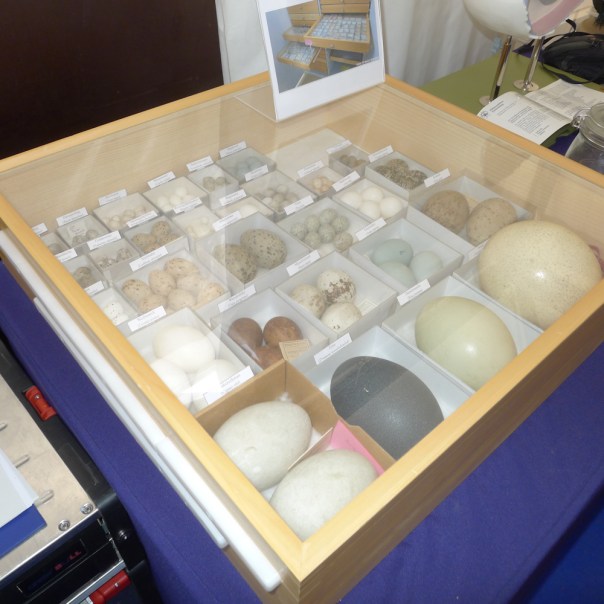
On May 7th we celebrated our Potsdam Science Day 2022 (Potsdamer Tag der Wissenschaften). Many people visited this exhibition. I was impressed to see so many stands of different institutions like universities, research institutes, colleges, etc. A huge exhibition indeed. Along with some of my colleagues, we presented to the general public some interesting facts about eggs and feathers of local birds and a couple of exotic ones. With the help of an egg model we explained to the people how interesting is an avian egg internal structure indeed. People was astonished with a cool experiment where an avian egg is treated with acetic acid. In this experiment it is easier to observe the egg membranes without the shell. We offered the publicum to see feathers under the magnifying glass and children were able to do some hand-crafting.
Viruses news
In the middle of the worldwide pandemic crisis because of coronavirus, together with Chilean collegues working at the University of Concepción and at the University of Santiago de Chile (among others institutions), we recently published a new chimeric capsid protein as antigen for the treatment of the Porcine Circovirus Type 2 (PCV2) disease. This virus causes the Postweaning Multisystemic Wasting Syndrome (PMWS) infecting cells of the immune system like dendritic cells, monocytes and macrophages. More information is available from the MDPI server: this article is published now in the journal Viruses. To view or read this article online just follows this link.

Videos
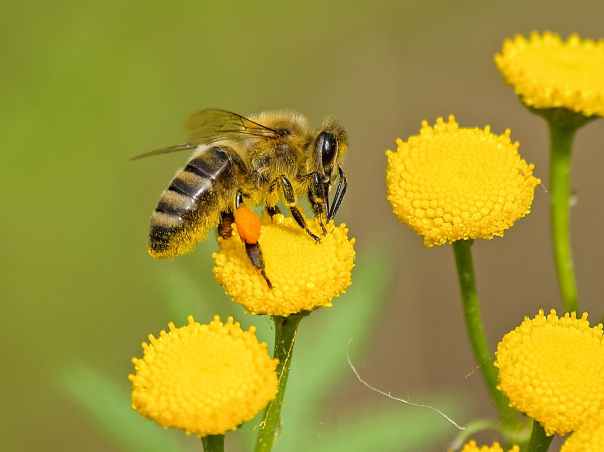
Together with the ProWissen Potsdam e. V. group, we made a video showing the situation of endangered wild bees in Germany. About 560 species of wild bees thrive in Germany and a population decline has been observed in almost half of these species which are found in the Red List of Threatened Animals of Germany. Other 25 species are categorized as endangered by extinction. You can view the YouTube video (in German) by clicking on this link.
 javierwebsite.com